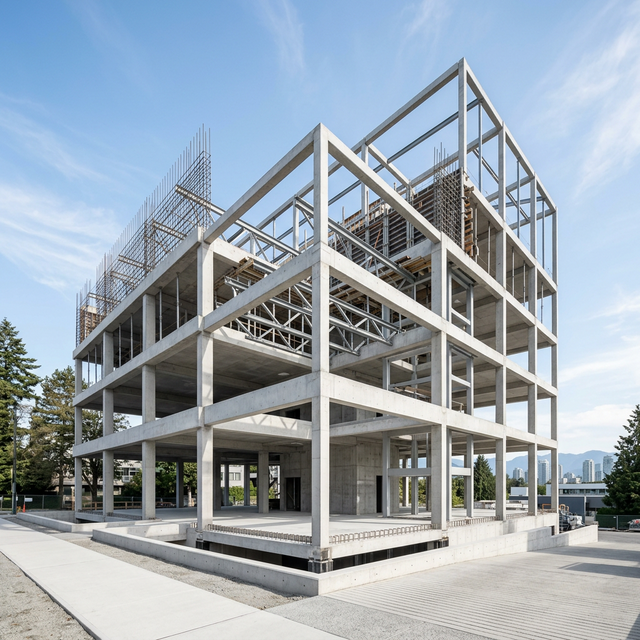
Civil Engineering
The Department of Civil Engineering is one of the oldest and most fundamental branches of engineering, playing a crucial role in the development of infrastructure and the overall progress of society. The department is dedicated to providing high-quality education, fostering innovation, and producing skilled professionals who can address the challenges of modern construction and sustainable development.
Civil Engineering involves the planning, design, construction, and maintenance of infrastructure such as buildings, bridges, roads, dams, canals, airports, and water supply systems. The department focuses on building a strong foundation in core subjects like structural engineering, geotechnical engineering, transportation engineering, environmental engineering, and water resources engineering, while also incorporating modern tools and technologies.
Courses and Intake Capacity
B.Tech. in Civil Engineering: No of Seats: 30
Programme Offered
- Bachelor of Technology (B.Tech) in Civil Engineering
The Department of Civil Engineering was started in the year 2010. The programme (B Tech in Civil Engineering) has a sanctioned intake of 60 students. The department provide students with the fundamental knowledge and problem solving skills in the field of Civil Engineering required for a fulfilling career and to create and disseminate knowledge to improve Civil Engineering research, education and practice. The department has been involved in areas of Structures, Soil Mechanics, Transportation Engineering, Hydraulics and Environmental engineering.
Optional: Hostel Fees
₹6,500 / month (Includes accommodation & mess)
One-time deposit: ₹10,000 (Refundable)
Impart quality education with creative thinking to excel in civil engineering
Mold technically skilled and ethically responsible professionals
Meet the challenging societal needs by providing realistic solutions, within the environmental constraints and ensuring the standards
The department shall achieve excellence in the field of Civil Engineering by moulding committed professionals to meet the challenging needs of society
By the completion of the programme our graduates will be
(1) An ability to understand the basic concepts in civil enginneering and to apply them to various areas like strength of materials , design of concrete structures, structural analysis, design of steel structures etc.
(2) An ability to solve complex civil engineering problems using latest hardware and software tools along with analytical skills to arrive course effective and appropriate solutions
(3) An ability to create innovative designs to meet desired needs with in realistic constraints such as economic environmental ,social,political,ethical, health and safety, manufacturability and sustainability
Graduates are prepared to attain the following program outcomes:
Engineering Knowledge: Apply the knowledge of mathematics, science, engineering Fundamentals, and an engineering specialization to the solution of complex engineering problems.
Problem Analysis: Identify, formulate, review research literature, and analyze complex engineering problems reaching substantiated conclusions using first principles of mathematics, natural sciences, and engineering sciences
Design/ Development of Solutions: Design solutions for complex engineering problems and design system components or processes that meet the specified needs with appropriate consideration for the public health and safety, and the cultural, societal, and environmental considerations.
Conduct Investigations of Complex Problems: Use research-based knowledge and research methods including design of experiments, analysis and interpretation of data, and synthesis of the information to provide valid conclusions.
Modern Tool Usage: Create, select, and apply appropriate techniques, resources, and modern engineering and IT tools including prediction and modeling to complex engineering activities with an understanding of the limitations.
The Engineer and Society: Apply reasoning informed by the contextual knowledge to assess societal, health, safety, legal and cultural issues and the consequent responsibilities relevant to the professional engineering practice.
Environment and Sustainability: Understand the impact of the professional engineering solutions in societal and environmental contexts, and demonstrate the knowledge of, and need for sustainable development.
Ethics: Apply ethical principles and commit to professional ethics and responsibilities and norms of the engineering practice.
Individual and Team Work: Function effectively as an individual, and as a member or leader in diverse teams, and in multidisciplinary settings.
Communication: Communicate effectively on complex engineering activities with the engineering community and with society at large, such as, being able to comprehend and write effective reports and design documentation, make effective presentations, and give and receive clear instructions.
Project Management and Finance: Demonstrate knowledge and understanding of the engineering and management principles and apply these to one’s own work, as a member and leader in a team, to manage projects and in multidisciplinary environments.
Life-long learning: Recognize the need for, and have the preparation and ability to engage in independent and life-long learning in the broadest context of technological change.
- Classroom lectures with multimedia support
- Practical laboratory experiments
- Computer-aided design (CAD) training
- Project-based learning
- Industry-oriented training programs
- Workshops and technical seminars
- Guest lectures from industry experts
- Field visits to construction sites and industries
Roles and Responsibilities:-
The Department Advisory Committee interacts and maintains liaison with key stakeholders.
- The Department Advisory Committee is chaired by HOD who receives the report of the Department Advisory Committee and monitors the progress of the program.
- The committee develops and recommends new or revised goals and objectives of the program.
- The committee also reviews and analyzes the gap between curriculum and Industry requirement and gives necessary feedback or advice actions.
- NPTEL, Spoken tutorial , FDP, STTP / Guest lecturers monitoring.
- Verification of Course File for the following:
a. Attendance Entry,
b. Class and Series Test Marks,
c. Syllabus Coverage,
d. Identification of Slow Learners and above average performers
e. HOD Authentication.
- Verification of Assessment & Tutorial Sheets.
- Conduct of Remedial Classes
- Checking Course plan and delivery
- Submission of report to the IQAC in the prescribed format.
Following are the members of advisory board:
1. Dr.V.I George - Chairman Principal, MBCCET
2. Ms.Mintu Sara George - Convener- HoD - Asst. Professor- MBCCET
3. Dr.Sheelu Jones - Member - Asst. Professor - MBCCET
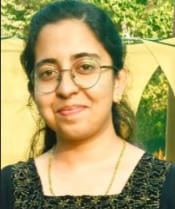
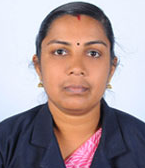
4. Ms.Serene K.T - Member - Asst. Professor- MBCCET
5. Ms.Banila K Monachan - Member - Asst. Professor - MBCCET
6. Dr.Harikrishnan M- Academic Expert - Assoc Professor- NIT Calicut
7. Dr.Purushothaman- Academic Expert - Assoc. Professor- SRM Chennai
8. Dr.Suryaprakash - Industry Expert- Managing Director- Sathyavani Projects Andrapradesh
9. Er.Vinod K V Eramam- Industry Expert- Sr. Project QS- Ital Consult LLC Qatar
10. Er.Akhil Suresh- Alumni Member - Graduate Engineer- Mac Donalt Pvt Ltd Mumbai
11. Er.Sidharth N- Alumni Member - Site Engineer, Sobha Constructions LLC UAE
12. Mr. Elias Thomas - Alumni Member - Asst. Professor- CCET Alappuzha
13. Fr. James Varghese- Parent Member- Vicar, St. Marys Orthodox church. Cochin
14. Hanna Elsa Kuriakose- Student Member- MBCCET
Vision
The department shall achieve excellence in the field of Civil Engineering by moulding committed professionals to meet the challenging needs of society
Mission
- Impart quality education with creative thinking to excel in civil engineering
- Mold technically skilled and ethically responsible professionals
- Meet the challenging societal needs by providing realistic solutions, within the environmental constraints and ensuring the standards
PEO
- Our graduates solve civil related problems for the betterment of the society
- To impart proficiency in the field of civil engineering and to become a technical professional or entrepreneur
- Graduates will identify and behave according to the situational reality based on environmental and socio - economic aspects.
PROGRAMME OUTCOMES (POs)
- Engineering Knowledge: Apply the knowledge of mathematics, science, engineering Fundamentals, and an engineering specialization to the solution of complex engineering problems.
- Problem Analysis: Identify, formulate, review research literature, and analyze complex engineering problems reaching substantiated conclusions using first principles of mathematics, natural sciences, and engineering sciences
- Design/ Development of Solutions: Design solutions for complex engineering problems and design system components or processes that meet the specified needs with appropriate consideration for the public health and safety, and the cultural, societal, and environmental considerations.
- Conduct Investigations of Complex Problems: Use research-based knowledge and research methods including design of experiments, analysis and interpretation of data, and synthesis of the information to provide valid conclusions.
- Modern Tool Usage: Create, select, and apply appropriate techniques, resources, and modern engineering and IT tools including prediction and modeling to complex engineering activities with an understanding of the limitations.
- The Engineer and Society: Apply reasoning informed by the contextual knowledge to assess societal, health, safety, legal and cultural issues and the consequent responsibilities relevant to the professional engineering practice.
- Environment and Sustainability: Understand the impact of the professional engineering solutions in societal and environmental contexts, and demonstrate the knowledge of, and need for sustainable development.
- Ethics: Apply ethical principles and commit to professional ethics and responsibilities and norms of the engineering practice.
- Individual and Team Work: Function effectively as an individual, and as a member or leader in diverse teams, and in multidisciplinary settings.
- Communication: Communicate effectively on complex engineering activities with the engineering community and with society at large, such as, being able to comprehend and write effective reports and design documentation, make effective presentations, and give and receive clear instructions.
- Project Management and Finance: Demonstrate knowledge and understanding of the engineering and management principles and apply these to one’s own work, as a member and leader in a team, to manage projects and in multidisciplinary environments.
- Life-long learning: Recognize the need for, and have the preparation and ability to engage in independent and life-long learning in the broadest context of technological change.
PROGRAMME SPECIFIC OUTCOMES (PSO)
- Professional Skills: An ability to understand the basic concepts in civil Engineering and to apply them to various areas, like strength of materials, design of reinforced concrete structures, structural analysis, design of steel structures etc.
- An ability to solve complex Civil Engineering problems, using latest hardware and software tools, along with analytical skills to arrive cost effective and appropriate solutions.
- An Ability to create innovative designs to meet desired needs within realistic constraints such as economic, environmental, social, political, ethical, health and safety, manufacturability, and sustainability
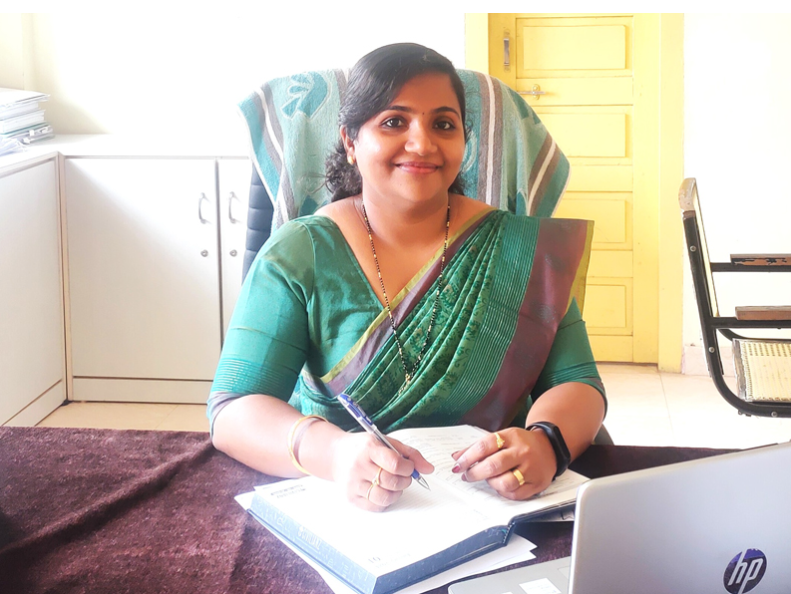
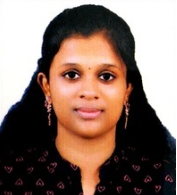
Mintu Sara George
Facilities - Overall description
Department has the following laboratory facilities
- Advanced Geotechnical Laboratory
- Material Testing Lab I
- Material Testing Lab II
- Surveying Practical I
- Surveying Practical II
- Computer Aided Design and Drafting Lab
- Transportation Engineering Lab
- Environmental Engineering Lab
Department Library
A well-equipped and developed library is functioning in the department in addition to the central library to tailor the needs of faculty and students. The department has a total of 238 Books in the various streams of civil engineering along with IS Codes and Journals. Project reports done by final year students are also stacked in the department library for students reference.
Library In Charge - Prof. Serene K T & Prof. Agnes Manoj
Lab Name, details and photos
- • CAD/CAM Laboratory
- • Equipped with design and simulation software
- • Includes CNC machines for manufacturing applications
- • Technical Systems Laboratory
- • Used for understanding mechanical systems and mechanisms
- • Manufacturing / Workshop Labs (I &II)
- • Provide hands-on experience in machining and fabrication
- • Thermal Engineering Labs
- Used for experiments related to thermodynamics and heat transfer
- • Fluid Mechanics Lab/Hydraulic Machines Lab
- • Supports analysis of fluid flow systems
- • Mechanical Work Shop
- • CNC Turning Lathe
- • Advanced machining tools
- Experimental setups for core subjects
- (Photos: *Attached below*)
Department Library
Facilities and Resources
- Collection of core textbooks covering all major Civil Engineering subjects
- Availability of reference books for advanced study and competitive exams
- Access to previous year question papers and study materials
- Manuals and lab records for practical courses
- Selected journals and magazines related to engineering and technology
Key Features
- Supports both curriculum-based learning and self-study
- Provides easy access to subject-specific materials within the department
- Acts as a quick reference center for projects and seminars
- Maintained and updated periodically as per syllabus requirements
Utilization
- Students: Exam preparation, assignments and seminars, mini and major project work
- Faculty: Teaching support, research and content development
- Opportunities for internships, seminars, and interdisciplinary learning
- Fosters innovation, critical thinking, and professional development
- Balanced blend of fundamental sciences and advanced courses
- Periodically updated per industry and technology trends
Batch-wise Academic Calendars
- Industrial Visits / Site Visits
- Internship and In-Plant Training
- Guest Lectures by Industry Experts
- Workshops on Civil Engineering Software (AutoCAD, STAAD.Pro, ETABS, Revit, Primavera)
- Seminars and Technical Talks
- Hands-on Training in Surveying Instruments (Total Station, GPS, Drone Surveying)
- Model Making and Mini Projects
- Advanced Concrete and Material Testing Programs
- Training in Structural Design and Analysis
- Training on Estimation, Costing, and Quantity Surveying
- Field Work and Community Development Projects
- Participation in Technical Symposiums and Civil Engineering Fests
- Paper Presentation and Poster Presentation Competitions
- Research-Based Learning and Student Research Projects
- Certification Courses (GIS, BIM, Remote Sensing, Construction Management)
- Entrepreneurship Development Programs (EDP)
- Green Building and Sustainable Construction Awareness Programs
- Environmental Awareness Programs (Water Conservation, Waste Management)
- Soft Skills and Communication Skill Training
- Training on Safety Practices and Construction Site Management
- Participation in Professional Bodies (IEI, ASCE, ICI)
- Value Added Courses (VAC) and Add-on Courses
- Collaborative Projects with Industries / Consultancy Projects
- Lectures – Conceptual and theoretical foundation
- Lab work – Hands-on experimental learning
- Simulation – Virtual modelling and analysis using industry-standard software
- Project-based learning – Real-world problem solving and innovation
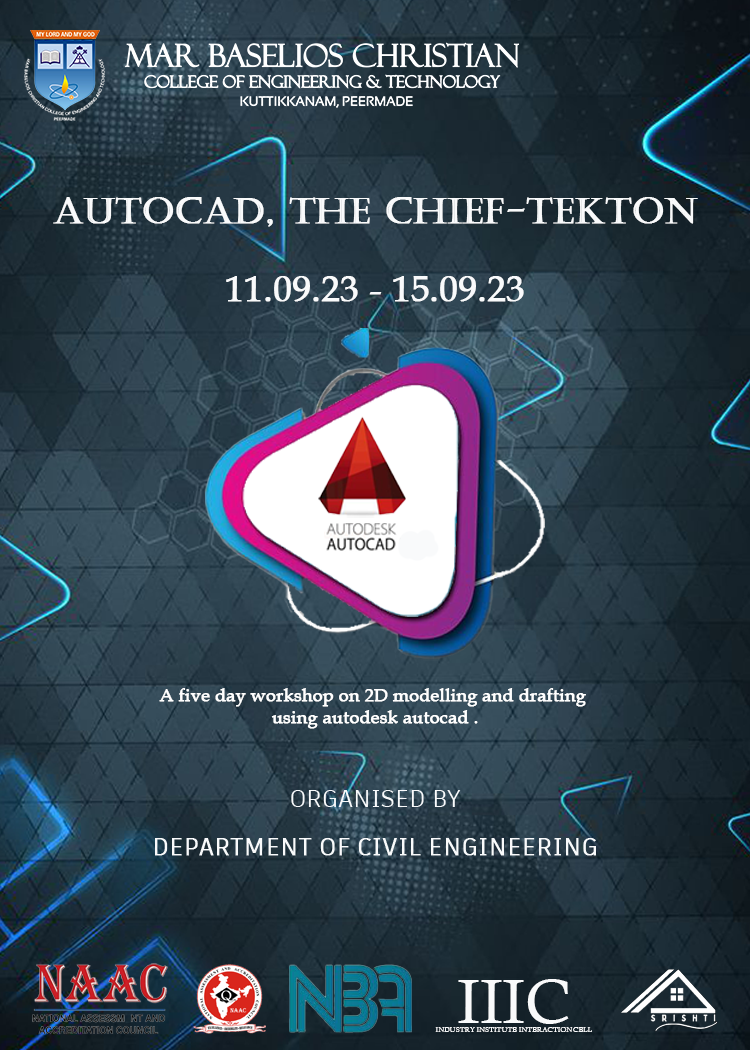
2023 Autocad Tekton
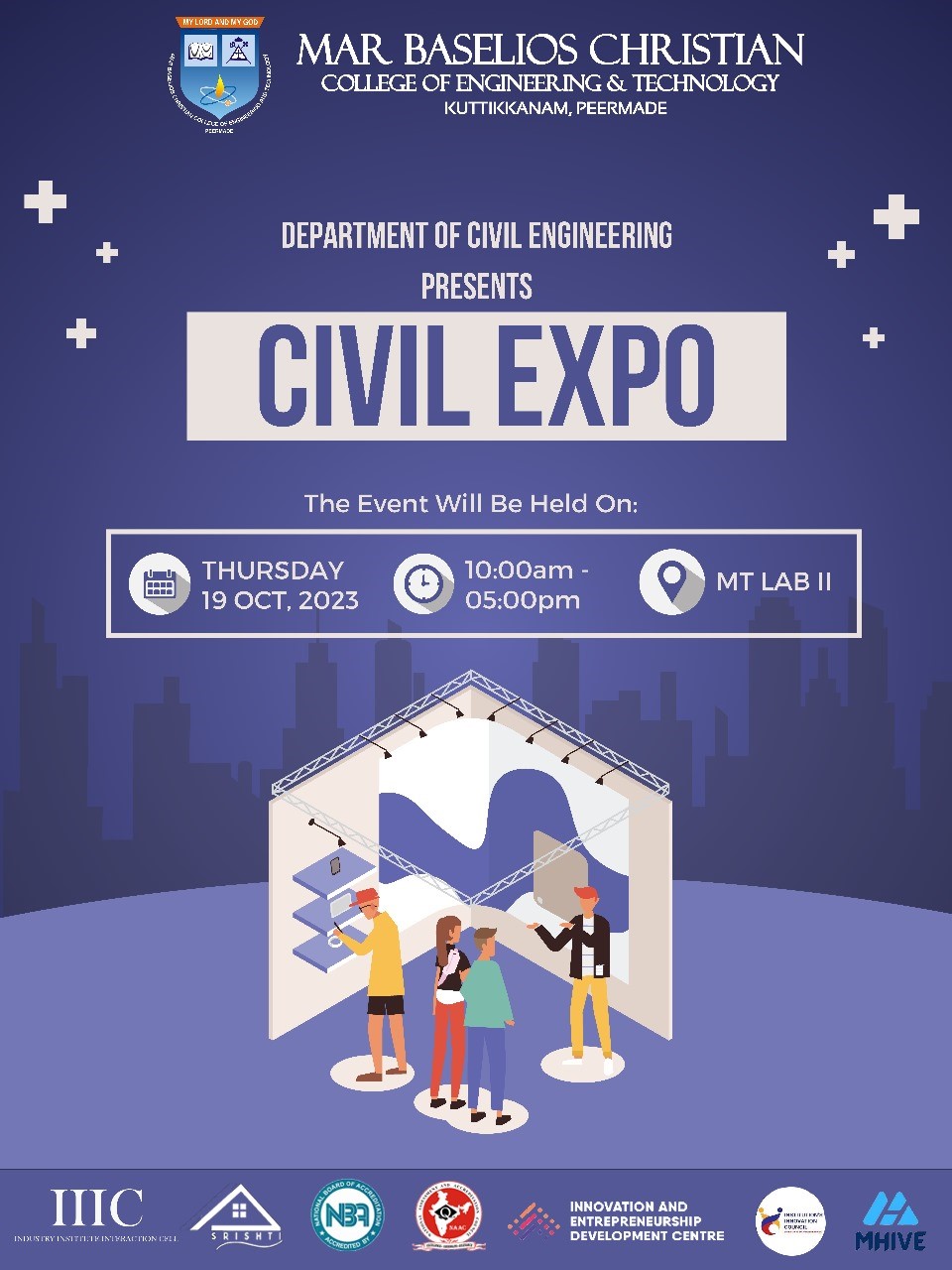
2023 Civil Expo
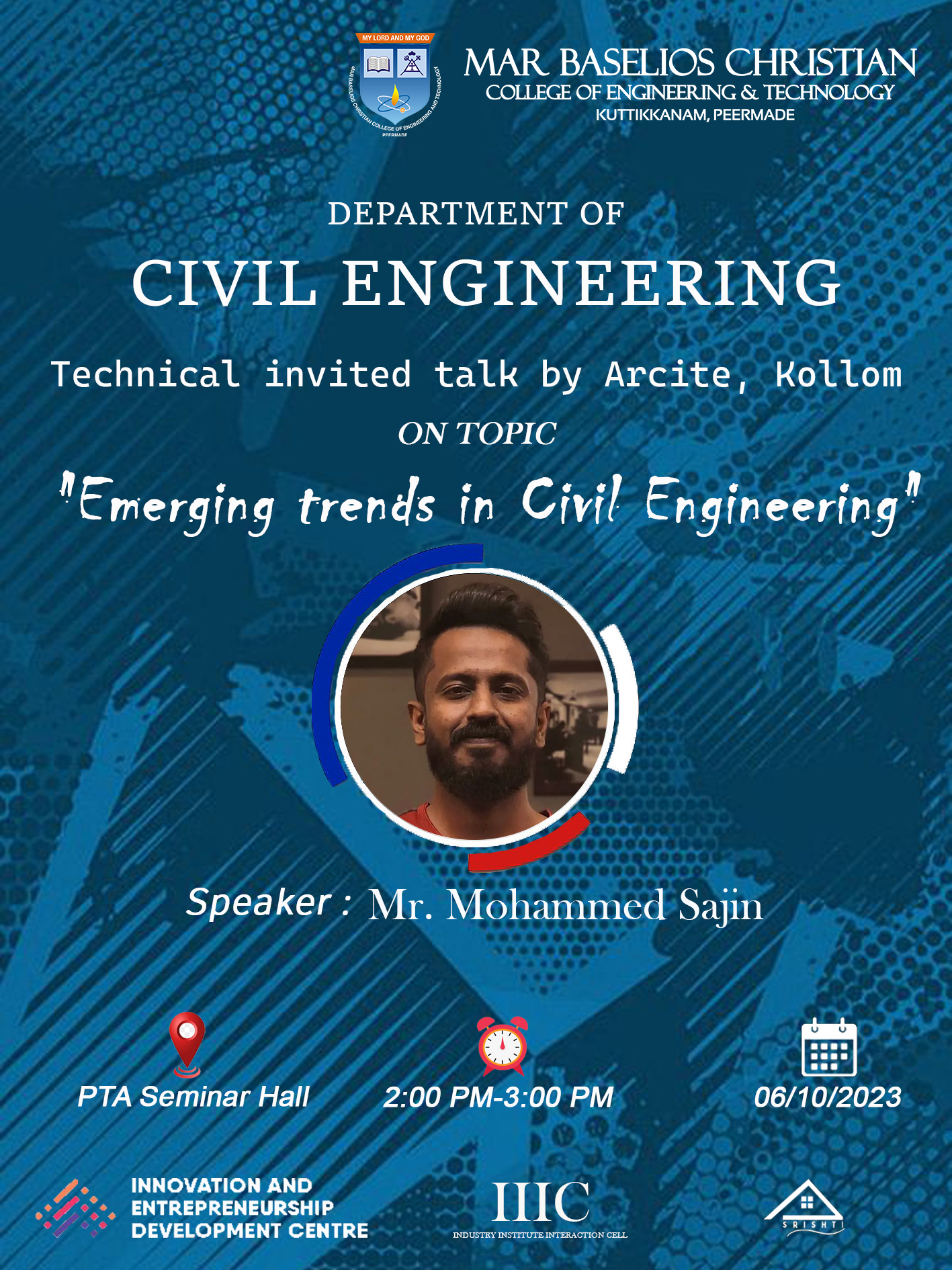
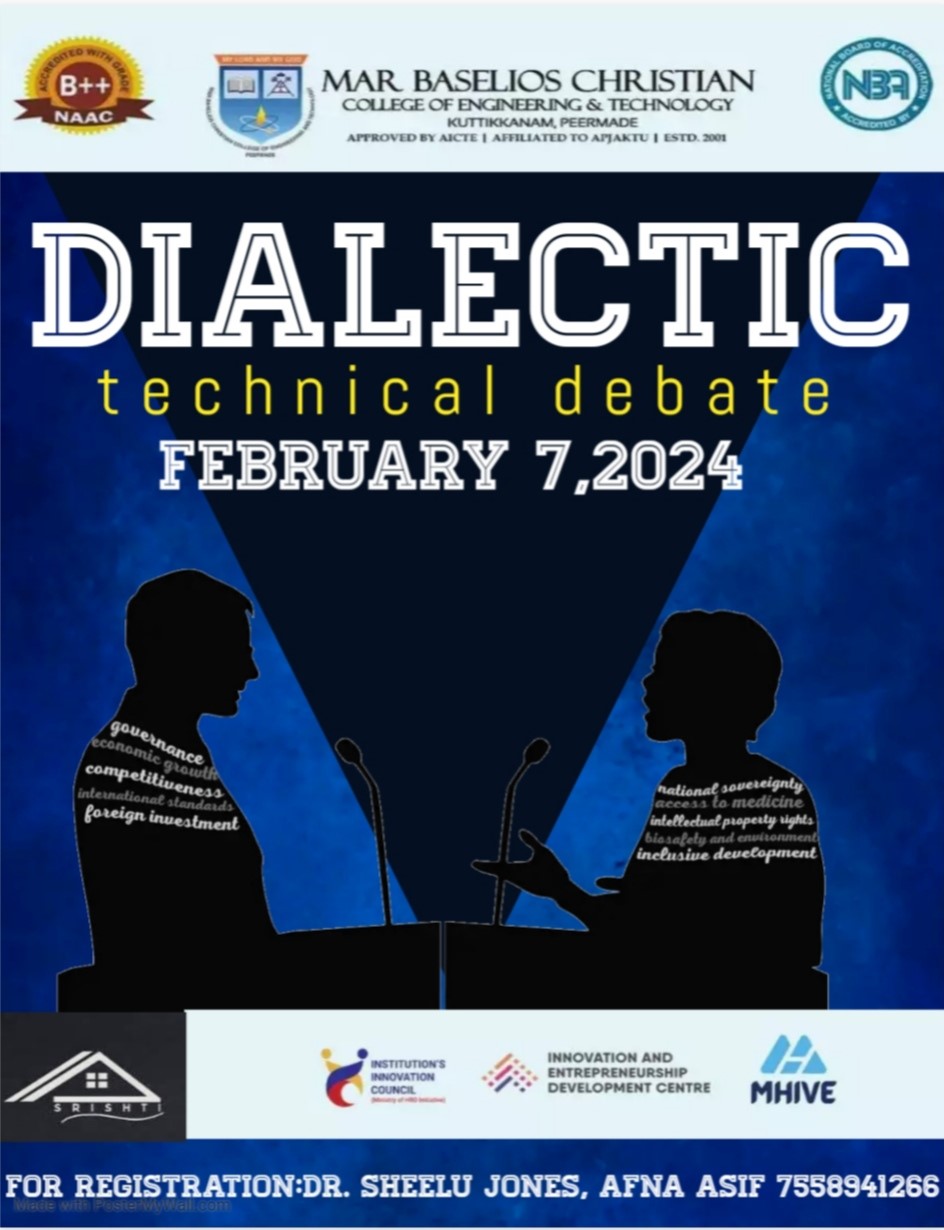
Newsletter
JOURNALS
- Vidhya Lakshmi Sivakumar, Rakshith Radha Krinshnappa, Manoj Nallanathel,"Drought vulnerability assessment and mapping using Multi criteria decision making(MCDM) and application of analytic hierarchy process (AHP) for Namakkal District, Tamilnadu, India",Materials Today:Proceedings,2021
- Akshay Mohan, Alan Tom,Aneena Merin sony, Richa Susan, Manoj Nallanathel, Dhanesh J Dhanam,"Partial replacement of cement with cementatious material in permeable concrete",Indian Journal Environmental Protection,2021
- Basil Ipe, Bobeena George, Surya Ravindran, Alan James, Ajayraj,Sachinkumar PS, “Experimental Study of Waffle Slab Inserting Coconut Shell”, Indian Journal of Environmental Protection,2020
- Ameela Benny, Ashna P Nazar, Reshma Philip, Nivin Philip, Mintu Sara George, Risa Nasar, “Flexural Behaviour of Sulfurcrete Beam”, Indian Journal of Environmental Protection,2020
- Alona Sara Sajan, Anu Xavier, Minnu Rosy Varghese, Suby Cherian, Prof.Christina Jacob, Prof.Mintu Sara George,” Treatment of textile dye by adsorption”, Indian Journal of Environmental Protection,2020
- Jomol john, Minnu Babu, Reshma PS, Sebhalakshmi K, Prof.Christina Jacob, Prof.Molsy Joseph,” Rainfall forecasting using MR and ANN”, Indian Journal of Environmental Protection,2020
- Amal J S Luke, Glady Thomas, Rahul P Santhosh, Sighin Sunny, Chithra V S, Surya Ravindran,” Electricity production from food waste leachate using microbial fuel cell”, Indian Journal of Environmental Protection,2020
- Abhijith L, Manoj Nallanathel, Athythya Nath, Chinnu Ann John, Bithin Varghese Biji, Kalidas C,” Lightweight Concrete Using Pumice Stone and Rice Husk Ash”, Indian Journal of Environmental Protection,2020
- Bobeena George, Shinu Mariam Thomas, Liny Ann Thomas, Alex P Jose, Alwin Sebastian, Rameez Rafeek,” Ecofriendly Construction Using PET Bottles”, Indian Journal of Environmental Protection,2020
- Kishore K, Saneeshmon KN, Shefin Anas, Trassan M Udayan, Chithra V.S, Bennila SM,” Quantification of Vehicular Particulate Matter Emissions in Kochi City”, Indian Journal of Environmental Protection,2020
- Kevin Alex, Jithin P Zachariah, Molsy Joseph, Rijo K George, Anita Ann,Ameer Suhail,” Compressive Strength Characteristics of Stabilized Rammed Earthen Paver Blocks”, Indian Journal of Environmental Protection,2020
- Abhijith L, Elza Mathew Varghese,” Removal of Iron and Chromium from Contaminated Soil by Using Adsorbents and Mulches”, Indian Journal of Environmental Protection,2020
- Chithra,V.S., Nagendra, S.M.S,” A review of scientific evidence on indoor air of school building: pollutants, sources, health effects and management”, Asian Journal of Atmospheric Environment,2018
- Nivin Philip,Theresa Paul,” Blast Load Analysis of Pre-twisted Steel Columns”, Journal of The Institution of Engineers (India): Series A.
- Ramesh B, Manoj N, Krishna Teja, “A review on polypropylene fiber reinforced self-compacting concrete” International Journal of Pure & Applied Mathematics,2018
- Ramesh B Manoj N, Ruviraj,” A review on various fiber reinforced self-compacting Concrete” International Journal of Pure & Applied Mathematics,2018
- Ramesh B ,Manoj N, Ruviraj,” A study on various fiber-reinforced self-compacting concrete”, International Journal of Pure & Applied Mathematics,2018
- Manoj N, Ramesh B, Santhosh,” An Overview of water distribution network design”, International Journal of Pure & Applied Mathematics,2018
- Manoj N, Ramesh B, Pavan BV,” Analysis & design of auditorium by using staad pro software”, International Journal of Pure & Applied Mathematics,2018
- Manoj N, Ramesh B, Pavan BV,” Analysis and design of community building using staad pro-an overview”, International Journal of Pure & Applied Mathematics,2018
- Raghavendra,GB Ramesh, Manoj N, Bhaskar,” Application of bidirectional associative memories in comparison of green building and normal building”, International Journal of Pure & Applied Mathematics,2018
- Manoj N, Ramesh B, Jagdish,” Design and analysis of water tanks using staad pro”, International Journal of Pure & Applied Mathematics,2018
- Manoj N, Ramesh B, Vishnu Redy,” Detailed study on hydraulic jump characteristics using flume”, International Journal of Pure & Applied Mathematics,2018
- Ramesh B, Manoj N, Gokulnath,” Effective study on fiber reinforced self-compacting concrete”, International Journal of Pure & Applied Mathematics,2018
- Manoj N, Ramesh B, Jagdish L,” Effective utilization of staad pro in the design and analysis of water tank”, International Journal of Pure & Applied Mathematics,2018
- Manoj N, Ramesh B, Kishore,” Efficiency study of different steel truss using (staad.pro)”, International Journal of Pure & Applied Mathematics,2018
- Ramesh B, Manoj N, Sajid Basha,” Influence of M.sand on the compressive strength of M25 grade of glass fiber reinforced self-compacting concrete”, International Journal of Pure & Applied Mathematics ,2018
- Ramesh B, Manoj N, Krishnateja, Gokulnath,” Influence of M.sand on the compressive strngth of M20 grade of polypropylene fiber reinforced self-compacting concrete”, International Journal of Pure & Applied Mathematics,2018
- Ramesh B,Manoj N, Roopchand,” Influence of M.sand on the compressive strength of M25 grade of polypropylene fiber reinforced self-compacting concrete”, International Journal of Pure & Applied Mathematics,2018
- Ramesh B,Manoj N, Gokulnath, “Influence of M-Sand on the Compressive Strength of M30 Grade Polypropylene Fiber-reinforced Self-compacting Concrete”, International Journal of Pure & Applied Mathematics,2018
- Ramesh B, Manoj N, Rudviraj,” Influence of M-sand on the compressive strength of M20 grade of glass fiber reinforced self-compacting concrete”. International Journal of Pure & Applied Mathematics,2018
- Manoj N, Ramesh B, Pavan Kumar,” Stability analysis of concrete gravity dam (an overview)”, International Journal of Pure & Applied Mathematics,2018
- Manoj N, Ramesh B, Pavan Kumar,” Stability analysis of concrete gravity dam using staad pro”, International Journal of Pure & Applied Mathematics,2018
- Manoj N, Ramesh B, Vishnu Reddy,” Study on hydraulic jump a review”, International Journal of Pure & Applied Mathematics,2018
- Manoj N, Ramesh B, Kishore,” Utility design of steel truss a review”, International Journal of Pure & Applied Mathematics,2018
- Manoj N, Ramesh B, Santhosh,” Water distribution network design using EPANET A case study”, International Journal of Pure & Applied Mathematics,2018
- Ramesh B,Manoj N, Sajid Basha,” Review on different fiber reinforced self-compacting concrete”, International Journal of Pure & Applied Mathematics,2018
- Manoj Nallanathel & Ramesh Bhaskar,” Pervious Concrete Construction Methods and Quality Control”, Indian Journal of Environmental Protection,2018
- Chithra,V.S., Nagendra, S.M.S,” Source Identification of Indoor Particulate Matter and Health Risk Assessment in School Children” ,Journal of Hazardous, Toxic, and Radioactive Waste,2017
- Manoj Nallanathel & Ramesh Bhaskar,” Pervious Concrete and Various Testing Methods”, Indian Journal of Environment Protection,2017
- Manoj Nallanathel, Ramesh Bhaskar , Santhosh,” Experimental study on Glass fibre Reinforced Pervious Concrete”, Indian Journal of Environment Protection,2017
- Manoj Nallanathel , Ramesh Bhaskar , Nivedha john,” Experimental Study on Pervious Concrete Reinforced with Coconut Fibre”, Indian Journal of Environment Protection,2017
- Manoj N, Scandal Sai,Karthikeyan,” Partial Replacement of Fine Aggregate With Quarry Dust for Sustainable Environment”, Indian Journal of Environmental Protection,2017
- Manoj N,Roshni Tiwari,” Translucent Concrete-A Green Building Approach”, Indian
- Journal of Environmental Protection,2017
- Manoj N, Ramesh B, Kaushik,” Pervious Concrete with Ground Grannulated Blast furnace slag- An Environment Friendly Approach”, Indian Journal of Environmental Protection,2017
- Manoj N, Ramesh B, Lubna, Charan,” Rainfall Runoff Modelling Using SCS-CN Method”, Indian Journal of Environmental Protection,2017
- Nagendra, S.M.S., Diya, M., Chithra,V.S., Menon, J.S., Peter A.E,” Characteristics of air pollutants at near and far field regions of a national highway located at an industrial complex”. Transportation Research Part D,2016
- Chithra,V.S., Nagendra, S.M.S,” Particulate Matter Mass and Number Concentrations inside a Naturally Ventilated School Building Located Adjacent to an Urban Roadway.” Journal of The Institution of Engineers (India): Series A,2014
- Chithra,V.S., Nagendra, S.M.S,” Characterizing and predicting coarse and fine particulates in classrooms located close to an urban roadway “,Journal of the Air & Waste Management Association,2014
- Chithra,V.S., Nagendra, S.M.S,” Impact of outdoor metereology on indoor PM10, PM2.5 and PM1 concentrations in a naturally ventilated classroom”, Urban Climate,2014
- Manoj N, Asha, Raja Santho, Needhidasan,” Replacement of fine aggregate with glass powder”, International Journal of Applied Engineering Research,2014
- Manoj N, Rangdoman, Moses, Needhidasan,” Built-up Columns with Lacings - Comparative Study”, International Journal of Applied Engineering Research,2014
- Manoj N, Manasa, Sahithya,” Strength analysis of single and double angle struts” International Journal of Applied Engineering Research,2014
- Manoj N, Ramesh B,” Pervious Concrete History and Importance” International Journal of Applied Engineering Research,2014
- Manoj N, Ananya, Needhidasan,” Self-Healing concrete Facts and Potentials”, International Journal of Applied Engineering Research,2014
- Manoj N, Needhidasan, Rangdamon,” Solar Power Smart Irrigation System for better Environment”, International Journal of Applied Engineering Research,2014
- Manoj N, Needhidasan, Melvin,” Utilization of Electronic waste plastics in Concrete –A way for Green initiative”, International Journal of Applied Engineering Research,2014
- Manoj N, Monirupa, Needhidasan,” Women in Civil Engineering – A Practical Study” International Journal of Applied Engineering Research,2014
MoU Details with pdf file
| No | Year | Name | MOUs |
|---|---|---|---|
| 1 | 2026 | CMS College Mou | |
| 2 | 2023 | Arcite Mou | |
| 3 | 2023 | Cad Point mou | |
| 4 | 2023 | Cill Associates Mou | |
| 5 | 2024 | Intercad Mou | |
| 6 | 2025 | Bim Cafe | |
| 7 | 2025 | BAI ( The Builders Association of India, Idukki Centre ) |
Placement
| No | Name | Branch | Company |
|---|---|---|---|
| 1 | Amith joseph | CE | BUILDEASY |
| 2 | JAFIN PHILIP | CE | BUILDEASY |
| 3 | Melvin roy | CE | BUILDEASY |
| 4 | Aysha Ali | CE | RDC Concrete |
| 5 | Ajin Ravi | CE | Geo Mark Engineering Surveys |
| 6 | Asif A | CE | Geo Mark Engineering Surveys |
| 7 | Shalom Dani Mathews | CE | Geo Mark Engineering Surveys |
| 8 | Anshamol Benny | CE | Hitachi Astemo |
| 9 | Febin K Jayan | CE | Hitachi Astemo |
| 10 | Aksa Arun | CE | Hitachi Astemo |
| 11 | Shoyal K Shaji | CE | JAYA HIND INDUSTRIES |
| 12 | Amith joseph | CE | JAYA HIND INDUSTRIES |
| 13 | Abhiram GB | CE | JAYA HIND INDUSTRIES |
| 14 | Anolda Binu | CE | Prerna Group |
| 15 | Anshamol Benny | CE | Quess Crop Ltd |
| 16 | Aksa Arun | CE | Quess Crop Ltd |
| 17 | Aksa Arun | CE | Sutherland |
| 18 | Anolda Binu | CE | WISTRON |
| 19 | Aksa Arun | CE | Q spider |
Srishti, The Civil Association is a vibrant and dynamic organization inaugurated on 13th April 2022 by Er. Krishnapriya P S, AE NREGA , Peruvanthanam Panchayat within our college, dedicated in empowering future civil engineers. Our aim is to cultivate a strong sense of community among civil engineering students, fostering their academic growth and professional development. Through a wide range of engaging activities, workshops, and events, we provide opportunities for students to enhance their knowledge, skills, and passion fort civil engineering. We believe to create excellent engineers through innovation, collaboration, and leadership.
Coordinators
Faculty advisor : Ardra Jayachandran S
Student Coordinators:
Secretary : Abhiram G B (S7)
Program Coordinator : Febin K Jayan (S7)
Treasurer : Aksa Arun(S7)
Corresponding Secretary : Jaffin Philip (S7)
Activity Report (2023-2024)
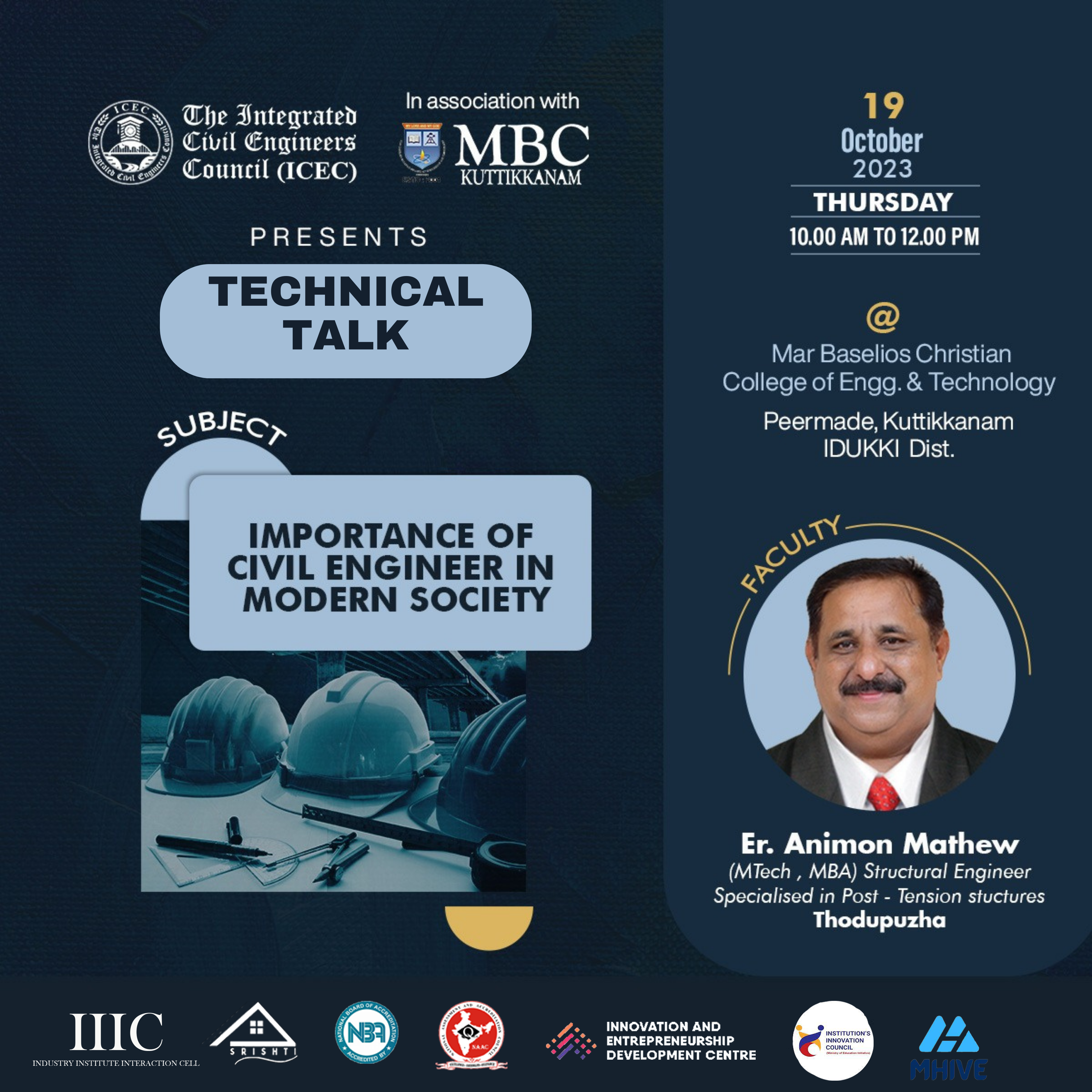
The Civil Association "Srishti" of Civil engineering Department, organized a civil day called ESTRUCTURA. Er. Animon Mathew delivered a comprehensive technical talk on the "Importance of Engineers in Modern Society" during the Civil Day event in association with Srishti. The talk covered various topics, including the scope of civil engineering, modern methods of construction, and a showcase of his different projects.
A unique event called Artesania, where students showcased their creativity and engineering skills by constructing buildings using craft items. The event aimed to foster innovation and teamwork among the participants while promoting the use of sustainable materials in construction.
We organized a thrilling event called the "Technical Treasure Hunt" on October 19, 2023. The event took place from 11:00 am to 12:30 pm. A total of 29 teams participated in the treasure hunt, with each team consisting of four members. The event comprised two elimination rounds, where teams competed to solve a series of clues. After the elimination rounds, seven teams qualified for the next round.
Association organized an engaging program called "Gaiety Realm." This event, held on a Thursday, featured a variety of games and activities aimed at fostering camaraderie and entertainment among the participants. The program took place from 3:00 PM to 3:30 PM and included popular games such as Colour Up, Blow the Candle,
and Puzzle.
The Gaming Room Event was an exciting and engaging experience for both students and gaming enthusiasts. This report provides an overview of the event, focusing on the equipment, game selection, gaming experience, student participation, and its social impact.
The Deadlift competition "Legacy," a significant part of the annual event "Estructura" .The competition brought together the strength and determination of the students in a test of their power and physical prowess.
The food court was a happy and successful gathering. The star of the show, "Kulukki Sarbath," left a lasting impression on attendees, and the promotion efforts paid off with a satisfied customer base.
civil day
Introduction
The Department of civil engineering was established in the year 2010 and as of now we have 6 batches already passed. We have around 300 Alumni spread over India and abroad and placed in prestigious posts. Alumni are the strength of any Institution and Alumni can play an active role in the development of the institution too. Voluntary programs like mentoring students in their areas of expertise, contributing scholarships to deserving students. Alumni get in touch with students and share their expertise and best practices in a given field. Thanks to the advancements in technology !!! we are able to connect with all our alumni through different medium and receive their full support in each and every endeavors of our department.
Report on first Alumni Meet
First Alumni Meet of MBCCET, CE department, CIVILEA-19, was conducted on 9th November 2019. It was really a nostalgic moments ruminating the sour and sweet moments during their time in college for both Alumni and staff too. The program was started with welcoming the gathering by Alumni in charge Prof. Bobeena George. Dr. Nivin Philip, former HOD of the MBCCET, CE , the chief guest, inaugurated the meet and delivered the key note address. In his speech Dr. Nivin Philip remembered his days in MBCCET and explained the importance of Alumni and their contributions in the development of the institution. He also advised all alumni to be in a common platform and stay connected. Felicitation speeches were delivered by Dr. Pradeep C (Principal MBCCET), Dr. Anoop K.J (Dean , Academics, MBCCET), Dr. Manoj Nallanathel (HOD, CE). Fr. Kuruvila Perumal Chacko (Students Advisor) All in their felicitation speeches emphasized the importance of alumni and appreciated their contributions.
Faculty Prof. Dhaniesh J.Danam, Prof. Mintu Sara George also shared their experiences and remembered those days of MBCCET. Department News letter was released by staff and student’s editor by giving a copy to the chief guest. It was then the sessions for the students to share their experiences. A good number of Alumni turned out for the meet and many shared their days in MBCCET with much enthusiasm blend with nostalgia. CIVILEA-19 Was a remarkable day in the history of MBCCET- CE department. A musical extravaganza by ASTRA -13 Kottayam was also conducted as part of the concluding session. The members dispersed after Lunch with a note that they would meet for the next alumni meet in 2020.