
Science and Humanities
The Dept. of Science
and Humanities strives to educate students in the application of science and
its principles for solving day-to-day problems. We help to develop students’
knowledge and interest for Basic Sciences and to enhance the industrial and technical
skills required for an engineer to grow in his career. Engineering aspirants
are equipped to solve science ended problems, to instil in them an
understanding of professional ethics and the relationship between the
engineering profession and the society.
Intake Capacity
Long Term Goals
To establish a new paradigm in the engineering education that emphasizes Value-Based and Science-Oriented education programs, thereby to increase the interaction and collaboration with industry. There is also an attempt to improve the Science & Humanities Department’s infrastructure to facilitate research productivity and better knowledge dissemination.
Optional: Hostel Fees
₹6,500 / month (Includes accommodation & mess)
One-time deposit: ₹10,000 (Refundable)
To provide high quality academic
knowledge in Technical Education which is in tune with International standards
in the Technological Arena appropriate for lifelong learning and research. To
create an environment which could facilitate the best learning opportunities
for the students to sharpen their skills leading to the holistic growth of the
individual beneficial to the society and the world at large. To provide strong foundational
knowledge in basic sciences and humanities for engineering and professional
studies.
To provide a world
class platform and academic environment in technical education sector to equip
the end users of MBCCET for meeting the growing demands of the modern world by
employing their technical competencies imbibed during their academic period.
To enhance communication, analytical, and problem-solving skills as well as creativity, leadership, and
teamwork among students.
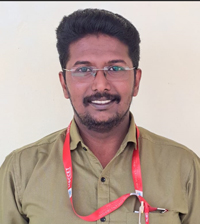
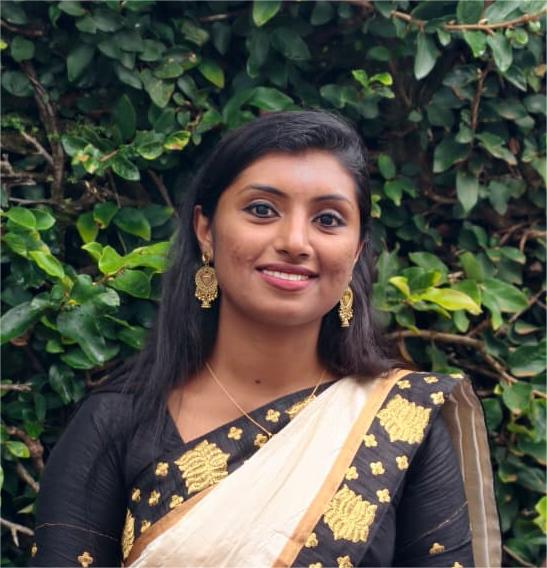
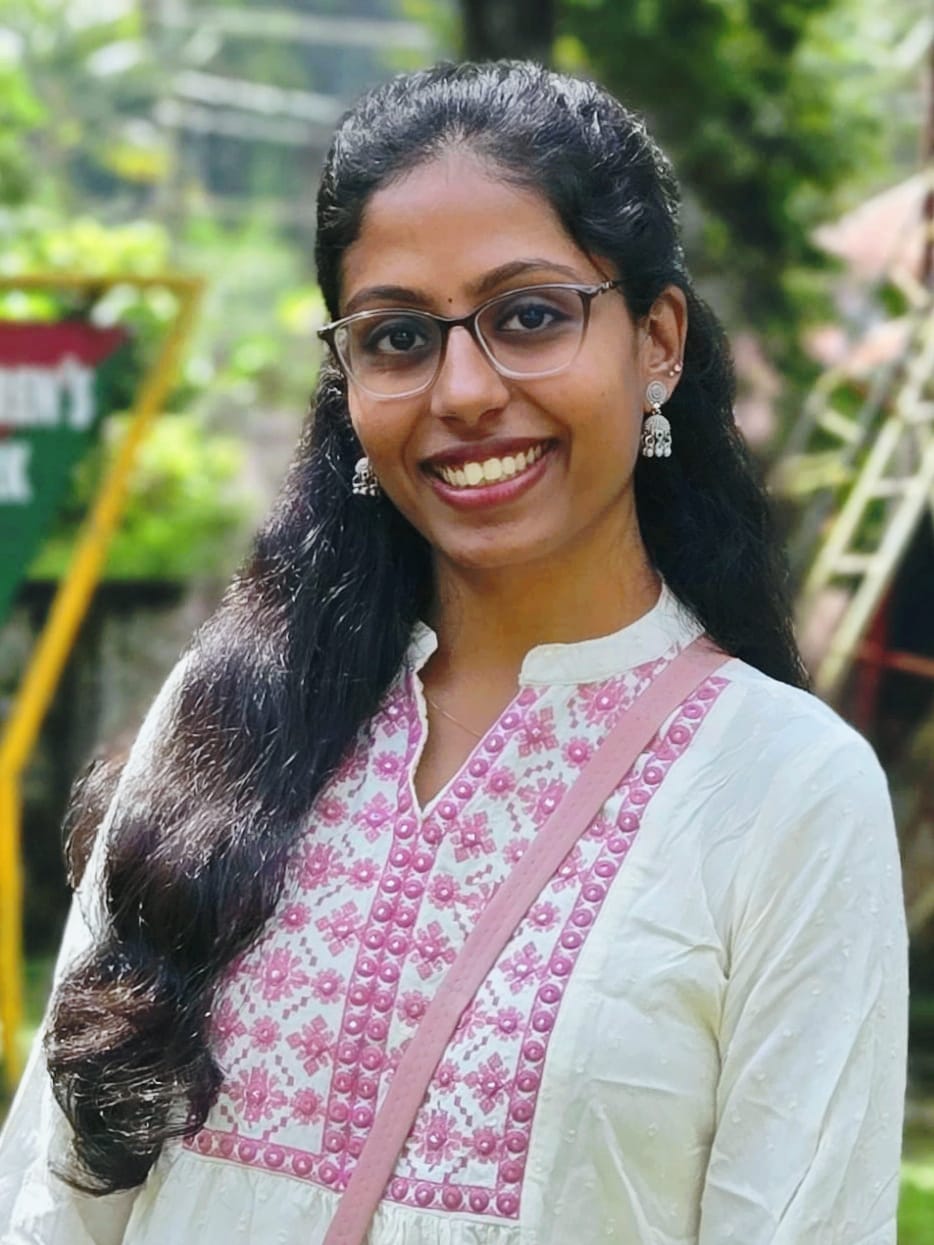
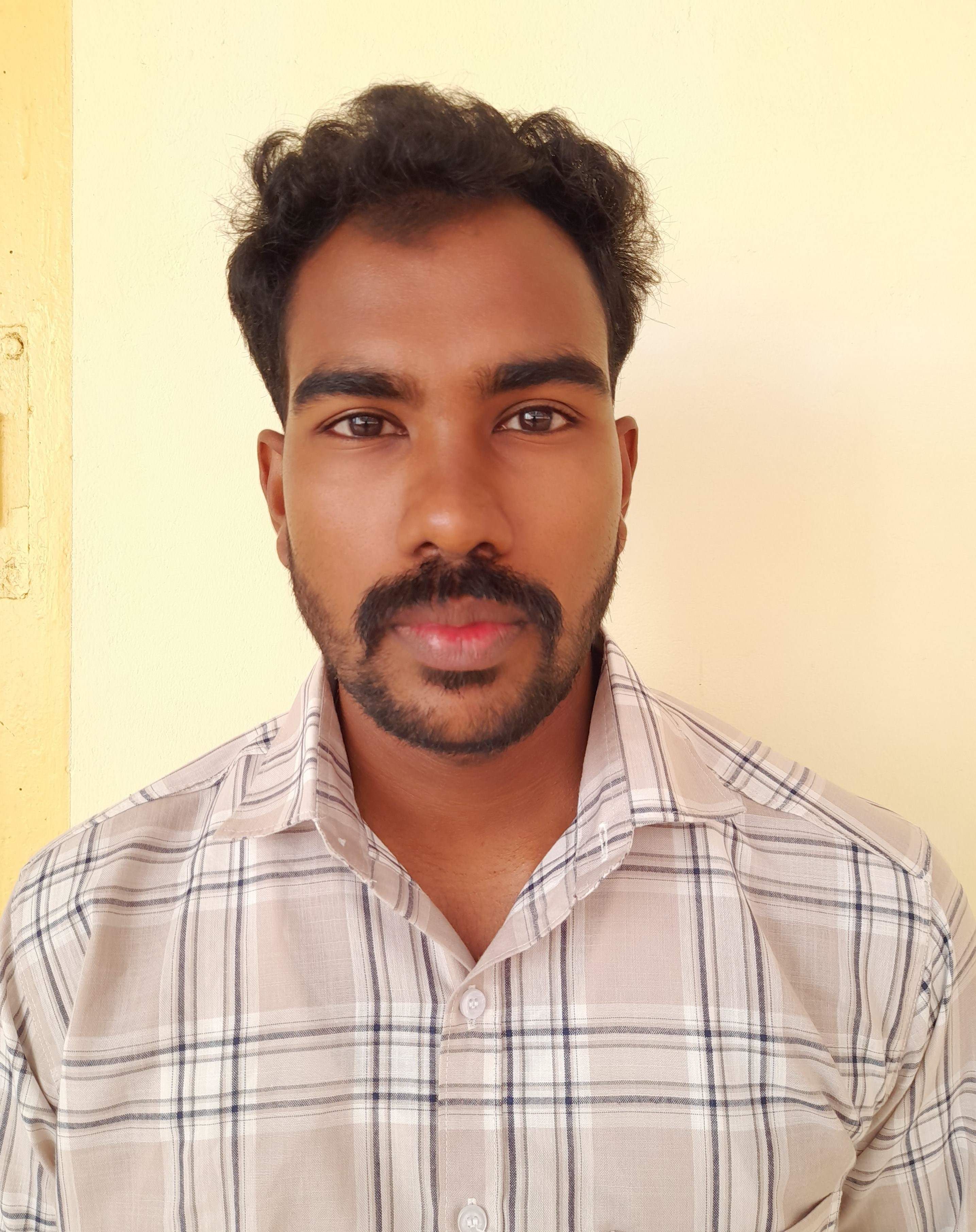
The Department Quality Assurance Cell (DQAC) of the
Department of Science and Humanities functions as an internal mechanism to
ensure continuous improvement in academic and administrative performance. It
aligns with institutional quality benchmarks and supports the objectives of
NAAC by fostering a culture of excellence. It consists of three faculty members
along with Prof. Aleyamma Varghese HOD, Prof. Anie T Thomas, Prof. Baiju George
and Prof. Linta Rose Varghese.
Objectives
· To promote quality enhancement in teaching-learning processes
· To monitor and evaluate academic performance and outcomes
· To ensure the implementation of NAAC guidelines at the departmental
level
· To encourage research, innovation, and best practices
· To enhance student support and progression
· To
ensure documentation and record maintenance
Functions
· Preparation and review of academic plans and course files
· Collection and analysis of student feedback
· Monitoring internal assessments and results
· Conducting academic and administrative audits
· Organizing seminars, workshops, and FDPs
· Maintaining
departmental records and reports
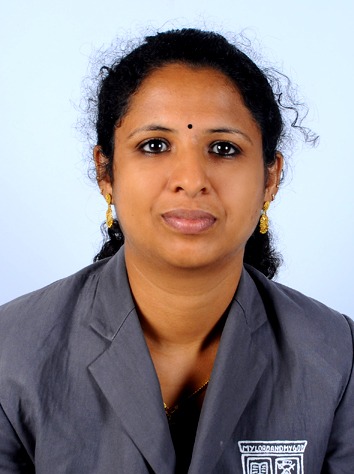
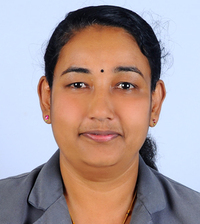
Prof. Aleyamma Varghese



Facilities - Overall description
The Department of Science and Humanities is equipped with essential infrastructure and learning resources to support effective teaching, research, and holistic student development
Lab Name, details and photos
Chemistry Laboratory and Physics Laboratory
Chemistry Laboratory
The Chemistry Laboratory of the Department of Science and Humanities is well-equipped to provide students with practical knowledge and hands-on experience in fundamental chemical sciences. It enables students to understand core concepts through experimentation and fosters scientific inquiry and analytical skills.
Objectives :
• To reinforce theoretical concepts through practical experiments
• To develop skills in chemical analysis and laboratory techniques
• To promote accuracy, observation, and safety awareness
• To encourage scientific thinking and problem-solving abilities
Physics Laboratory
The Physics Laboratory of the Department of Science and Humanities is well-equipped to provide students with practical knowledge and hands-on experience in fundamental and applied physics. It serves as a vital platform for bridging theoretical concepts with real-world applications.
Objectives :
• To reinforce theoretical concepts through experiments
• To develop scientific temper and analytical thinking
• To provide hands-on experience with measuring instruments and apparatus
• To enhance problem-solving and observational skills
Department Library
• A well-stocked departmental library with textbooks, reference books, journals, and competitive exam materials
• Access to e-resources, digital libraries, and online journals
• Quiet reading space for students and faculty
• Regular updating of books as per syllabus and emerging trends
ICT Facilities
• Smart classrooms with projectors, interactive boards, and Wi-Fi
• Access to Learning Management Systems (LMS) and digital platforms
• Use of multimedia teaching aids and online resources
Classrooms
• Spacious, well-ventilated classrooms with adequate seating
• Equipped with audio-visual teaching aids
• Conducive environment for interactive and student-cantered learning
Science Day Celebration
The
Department of Science and Humanities celebrated National Science Day
on February 28, commemorating the discovery of the Raman
Effect by C. V. Raman. The event
aimed to promote scientific temper, innovation, and awareness among students.